
Menu
Menu
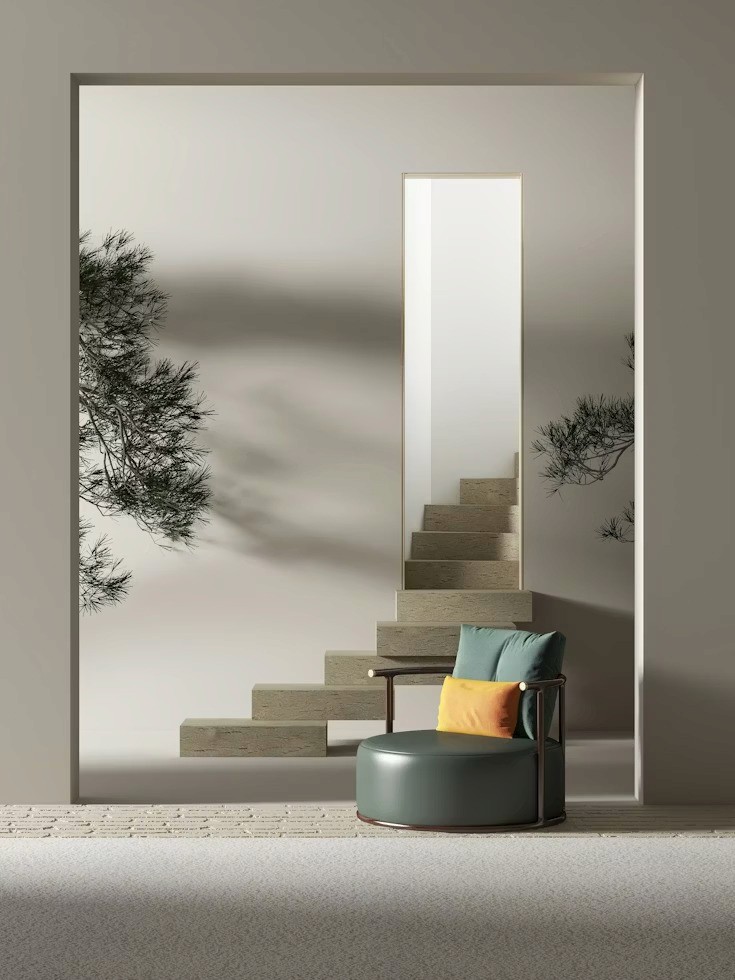
INTERIOR DESIGN • MAY 31, 2026
Why Simplicity Defines Good Design
Exploring how restraint, proportion, and intentional decisions create spaces that endure.
In a world where trends evolve rapidly and visual stimulation is constant, simplicity remains one of the most enduring principles in interior design. Far from being an absence of detail, simplicity is the result of careful refinement. It is the process of removing what is unnecessary so that what remains can be experienced more clearly.
The most memorable interiors are rarely those filled with the most objects or decorative elements. Instead, they are spaces where every decision feels purposeful. Materials are chosen with intention, proportions are balanced, and every element contributes to a cohesive experience.
Simplicity is not a style. It is a way of thinking about design.
Beyond Minimalism
Simplicity is often confused with minimalism, but the two are not identical. Minimalism is a visual language characterized by restraint and reduction. Simplicity, however, is a broader design philosophy focused on clarity and purpose.
A simple interior does not need to feel empty. It can be rich in texture, character, and atmosphere while maintaining a sense of order and balance. The objective is not to remove personality but to ensure that every element serves a meaningful role.
When spaces are simplified thoughtfully, they become easier to understand and more enjoyable to experience.
The Power of Restraint
One of the most valuable skills in design is knowing what not to include. Restraint allows the qualities of a space to emerge naturally without being overshadowed by unnecessary details.
When decorative elements are reduced, attention shifts toward light, material, proportion, and craftsmanship. These qualities become the defining features of the interior rather than competing for attention.
This approach creates environments that feel calm, intentional, and visually balanced. Instead of overwhelming the senses, simple spaces encourage focus and appreciation.
Materials as the Main Character
In a simplified interior, materials take on greater importance. Natural stone, wood, metal, linen, and glass contribute texture, warmth, and depth without requiring excessive ornamentation.
A carefully curated material palette creates consistency throughout a space while allowing individual elements to stand out. Contrasts between rough and smooth, matte and reflective, or warm and cool surfaces add richness without creating visual noise.
The result is an environment that feels sophisticated yet effortless.
Function as a Design Principle
Good design should support everyday life. Simplicity helps achieve this by prioritizing functionality alongside aesthetics.
Clear circulation paths, intuitive layouts, and purposeful storage solutions contribute to a more comfortable living experience. When a space functions well, it naturally feels more refined.
Rather than forcing occupants to adapt to the design, successful interiors adapt to the needs of the people who use them.
Creating Timeless Spaces
One reason simplicity remains relevant is its ability to transcend trends. Interiors grounded in proportion, material quality, and thoughtful planning are less likely to feel outdated over time.
Trends often focus on novelty, while simplicity focuses on longevity. By emphasizing enduring principles rather than temporary aesthetics, designers create spaces that remain meaningful for years to come.
Timeless design is not achieved through complexity. It is achieved through clarity.
Conclusion
Simplicity is not the absence of design—it is the result of thoughtful design. Through restraint, material honesty, and intentional decision-making, interiors become more meaningful, functional, and enduring.
The most successful spaces are often the ones that feel effortless. Behind that effortlessness lies a commitment to simplicity, where every element has a purpose and every decision contributes to a greater sense of balance.

Menu
INTERIOR DESIGN • MAY 31, 2026
Why Simplicity Defines Good Design
Exploring how restraint, proportion, and intentional decisions create spaces that endure.
In a world where trends evolve rapidly and visual stimulation is constant, simplicity remains one of the most enduring principles in interior design. Far from being an absence of detail, simplicity is the result of careful refinement. It is the process of removing what is unnecessary so that what remains can be experienced more clearly.
The most memorable interiors are rarely those filled with the most objects or decorative elements. Instead, they are spaces where every decision feels purposeful. Materials are chosen with intention, proportions are balanced, and every element contributes to a cohesive experience.
Simplicity is not a style. It is a way of thinking about design.
Beyond Minimalism
Simplicity is often confused with minimalism, but the two are not identical. Minimalism is a visual language characterized by restraint and reduction. Simplicity, however, is a broader design philosophy focused on clarity and purpose.
A simple interior does not need to feel empty. It can be rich in texture, character, and atmosphere while maintaining a sense of order and balance. The objective is not to remove personality but to ensure that every element serves a meaningful role.
When spaces are simplified thoughtfully, they become easier to understand and more enjoyable to experience.
The Power of Restraint
One of the most valuable skills in design is knowing what not to include. Restraint allows the qualities of a space to emerge naturally without being overshadowed by unnecessary details.
When decorative elements are reduced, attention shifts toward light, material, proportion, and craftsmanship. These qualities become the defining features of the interior rather than competing for attention.
This approach creates environments that feel calm, intentional, and visually balanced. Instead of overwhelming the senses, simple spaces encourage focus and appreciation.
Materials as the Main Character
In a simplified interior, materials take on greater importance. Natural stone, wood, metal, linen, and glass contribute texture, warmth, and depth without requiring excessive ornamentation.
A carefully curated material palette creates consistency throughout a space while allowing individual elements to stand out. Contrasts between rough and smooth, matte and reflective, or warm and cool surfaces add richness without creating visual noise.
The result is an environment that feels sophisticated yet effortless.
Function as a Design Principle
Good design should support everyday life. Simplicity helps achieve this by prioritizing functionality alongside aesthetics.
Clear circulation paths, intuitive layouts, and purposeful storage solutions contribute to a more comfortable living experience. When a space functions well, it naturally feels more refined.
Rather than forcing occupants to adapt to the design, successful interiors adapt to the needs of the people who use them.
Creating Timeless Spaces
One reason simplicity remains relevant is its ability to transcend trends. Interiors grounded in proportion, material quality, and thoughtful planning are less likely to feel outdated over time.
Trends often focus on novelty, while simplicity focuses on longevity. By emphasizing enduring principles rather than temporary aesthetics, designers create spaces that remain meaningful for years to come.
Timeless design is not achieved through complexity. It is achieved through clarity.
Conclusion
Simplicity is not the absence of design—it is the result of thoughtful design. Through restraint, material honesty, and intentional decision-making, interiors become more meaningful, functional, and enduring.
The most successful spaces are often the ones that feel effortless. Behind that effortlessness lies a commitment to simplicity, where every element has a purpose and every decision contributes to a greater sense of balance.